Animal toxicology signals Two animal findings reviewed by FDA are worth tracking even if they did not surface clinically
Poor-quality peptides may contain contaminants, incorrect concentrations, or degraded product that could increase side effect risks or reduce efficacy
However, as with any biological therapy, the theoretical possibility of individual hypersensitivity cannot be entirely eliminated, and appropriate monitoring remains prudent

The compound exists in multiple forms: Free base: Molecular weight 159.21 g/mol Iodide salt: Molecular weight 286.11 g/mol (C10H11N2I) Research has shown promising results for 5-Amino-1MQ in: Weight management through enhanced fat metabolism [1] Improved insulin sensitivity and glucose tolerance [2] Potential metabolic disorder applications [2] Anti-aging and cellular energy [3] Restoring NAD+ levels [3] Standard Dosage Recommendations Oral Administration The typical oral dosage range for 5-Amino-1MQ in clinical settings is: Injectable Administration For injectable formulations (typically used in supervised clinical settings): Administration Timing For optimal results, administration timing considerations include: Oral capsules: Take with a full glass of water Injectable format: Administer 30 minutes after oral NAD+ precursor supplementation Evening dosing caution: Some practitioners report sleep disturbances when taken later in the day Weight-Based Dosing Calculator To calculate a personalized dose based on body weight, you can use the following formula derived from clinical research: Determine the target dose in mg/kg (typically 1-2 mg/kg based on human equivalent dose calculations) Multiply by individual body weight in kg Resulting value represents the total daily dose in mg Peptide Dosage Calculator (Injectable) Peptide Reconstitution Calculator What is the total volume of your syringe

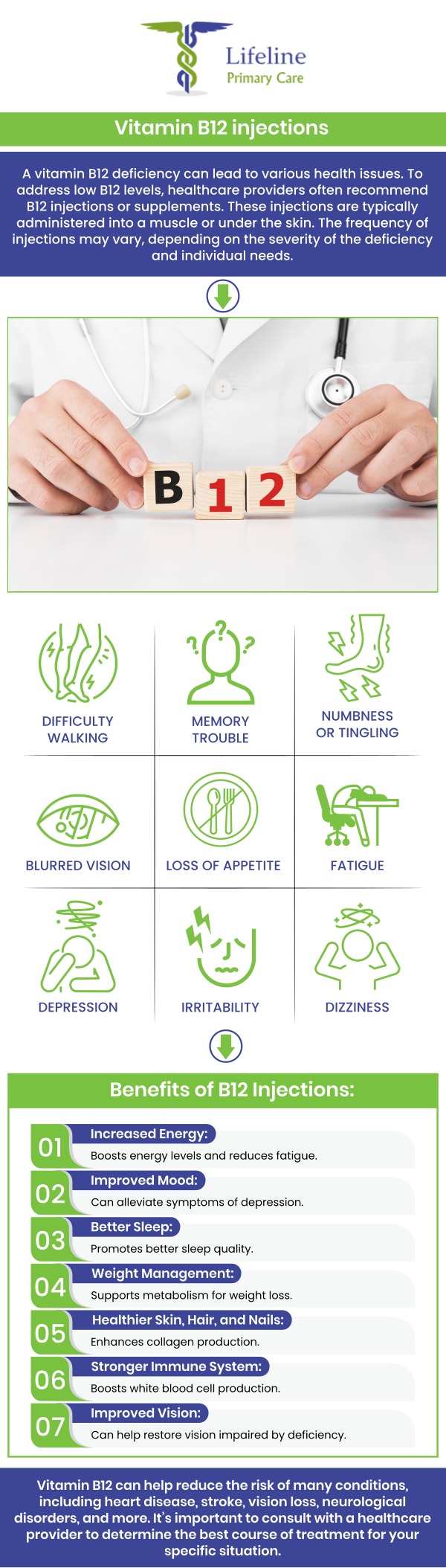
On top of correcting your bodys deficiency, injections may deliver many health benefits such as helping reduce your risk of serious disease